
Inheritance Tax (IHT) planning for farming families has been under the spotlight for some time, and the government’s planned reforms to Agricultural Relief (AR) and Business Property Relief (BPR) are set to be a major turning point.
These reforms are due to take effect from 6 April 2026 and, while they are intended to better target relief at smaller and mid-sized estates, they also mean many landowners will need to revisit long-standing assumptions about what can be passed on IHT-free.
Importantly, the government has recently increased the valuation threshold for the new rules: the level at which 100% relief applies will rise from £1 million to £2.5 million (and can be £5 million for married couples or civil partners, where allowances are transferable). That change will provide meaningful additional headroom for many families but it won’t remove the need to plan.
A quick refresher: what is AR and BPR?
AR and BPR are long-established IHT reliefs designed to support continuity of farms and trading businesses when assets pass between generations.
- AR can apply to agricultural assets (such as farmland and certain buildings) that meets the conditions for relief.
- BPR can apply to certain business interests and assets used in a qualifying trading business.
Where relief applies at 100%, the relevant asset value can pass free of IHT (subject to the detailed rules and eligibility criteria and limits on the value that can pass free of IHT). For many farming families whose wealth may be tied up in land and buildings rather than cash, these reliefs can be central to succession planning.
What is changing from April 2026?
From 6 April 2026, the government plans to introduce a cap on the amount of qualifying AR/BPR assets that can benefit from 100% relief.
Under the updated proposal, the 100% relief threshold will be £2.5 million per estate (increased from the previously proposed £1 million). Above this threshold, 50% relief is expected to continue to apply to qualifying agricultural and business assets.
The reforms also confirm that the allowance is transferable between spouses and civil partners, which means a couple may be able to shelter up to £5 million of qualifying AR/BPR assets at 100% relief between them.
However, even where your estate falls below £5 million, planning still matters. The reliefs only apply if the qualifying conditions are met, and the way assets are owned, structured, used, and passed on can all affect the outcome.
What does this mean for owners of agricultural property?
These reforms are best understood as a prompt to stress-test your current estate plan. For many families, Wills and succession arrangements were drafted on the basis that qualifying agricultural/business assets could pass with extensive (and potentially unlimited) 100% relief. From April 2026, that assumption may no longer hold.
Key implications to consider include:
1) A potential IHT bill where none was expected
If the value of your qualifying AR/BPR assets is likely to exceed the new threshold(s), your estate may face an IHT liability on the excess and that liability may need to be funded without forcing the sale of land or disrupting the business.
This is particularly relevant where:
- land values have risen over time,
- multiple properties are involved,
- the estate includes both agricultural assets and business interests, or
- the farm is part of a wider family group structure.
2) Succession planning becomes even more “structure sensitive”
How assets are owned and used can be as important as their value. For example:
- who owns the land (individuals, partnerships, companies, trusts),
- whether assets are used for qualifying purposes, and
- whether non-qualifying or “mixed-use” arrangements exist (for example, diversified income streams)
…can all influence eligibility and the relief available.
In practice, this means many families will benefit from reviewing:
- land ownership and partnership arrangements,
- how diversified activities are operated and documented, and
- whether the current structure still supports the intended relief position.
3) Wills and wider estate planning should be reviewed now
Waiting until the reforms take effect can limit your options. A proactive review can help you:
- ensure Wills reflect the current and future tax landscape,
- align inheritance intentions with business continuity,
- address fairness between farming and non-farming beneficiaries, and
- identify whether any changes should be implemented while time remains.
4) Liquidity planning may become a bigger priority
Even modest effective IHT on agricultural/business assets can create pressure if the estate lacks cash. Planning may involve considering:
- whether the estate has sufficient liquidity,
- whether insurance or other funding strategies are appropriate, and
- whether the business can support tax payments without destabilising operations.
Practical next steps: what should farming families do?
Every farm is different but as a starting point, many owners of agricultural property will want to consider:
- Valuation and forecasting: What is the likely value of qualifying AR/BPR assets by April 2026 and beyond?
- Eligibility review: Are the assets and activities clearly within AR/BPR conditions as the rules stand — and as they may apply under the reforms?
- Will and succession review: Do your Wills and business succession documents still achieve what you intend, tax-efficiently and practically?
- Ownership and structure review: Is there a more appropriate structure to support long-term succession and reliefs, while reflecting family needs?
- Family conversations and governance: Are the next generation aligned on management, ownership, and inheritance expectations?
A well-structured plan can help protect the farm, reduce uncertainty, and put the family in the strongest position to deal with change.
 Speak to our Wills, Trusts & Estates team
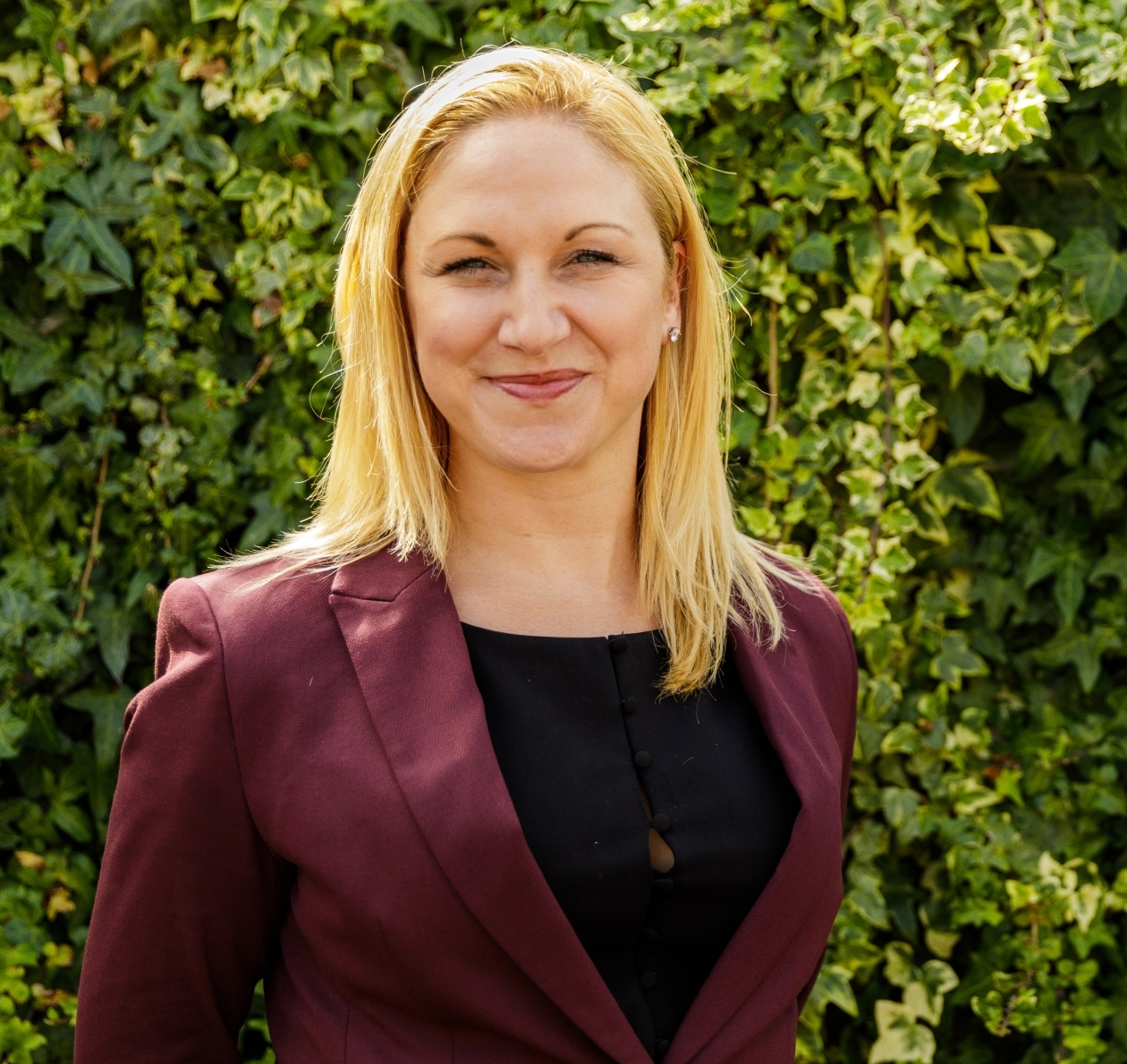
Planned reforms to AR and BPR can have a significant impact on farming families — but with the right advice, there are often practical steps you can take to protect your legacy and support a smooth succession.
To discuss your circumstances and explore your options, contact Heather Lally, Partner in our Wills, Trusts and Estates team, by calling 01244 354800 or via email at heather.lally@dtmlegal.com for legal excellence and an outstanding service.