
Your browser does not support JavaScript!
Skip to main content
Chester Office: 01244 354 800
Liverpool Office: 0151 321 0000

Trusts & Estates Planning

Practical legal advice to protect your interests, plan for the future and provide greater certainty for the people and assets that matter to you.
Contact Us

Let us know how we can help and a member of the DTM Legal team will get in touch.

Good estate planning is about more than deciding what happens to your assets when you die. It can help you protect family wealth, provide for the people who depend on you, plan for future incapacity, manage potential tax liabilities and establish clear arrangements for businesses, property and other significant assets.

DTM Legal’s Trusts & Estates solicitors advise individuals, families, business owners, landowners, farmers, trustees and executors on both immediate legal requirements and longer-term estate planning. Our work ranges from preparing Wills and Lasting Powers of Attorney to administering estates and advising on and preparing trusts, succession planning and more complex private wealth arrangements.

We take the time to understand your wider circumstances rather than looking at individual documents or assets in isolation. This allows us to consider how your Will, property, business interests, pensions, trusts and other arrangements work together and help you put appropriate plans in place for the future.

Our Trusts & Estates Services

Our team provides advice throughout an individual’s lifetime and following a death, including:

  • Business and Agricultural Succession Planning
  • Contentious Trusts and Probate
  • Court of Protection Applications
  • Estate Planning for Pension Death Benefits and Life Policies
  • Inheritance Tax, Capital Gains Tax and Succession Planning
  • Lasting Powers of Attorney (LPAs)
  • Probate and Estate Administration
  • Trusts
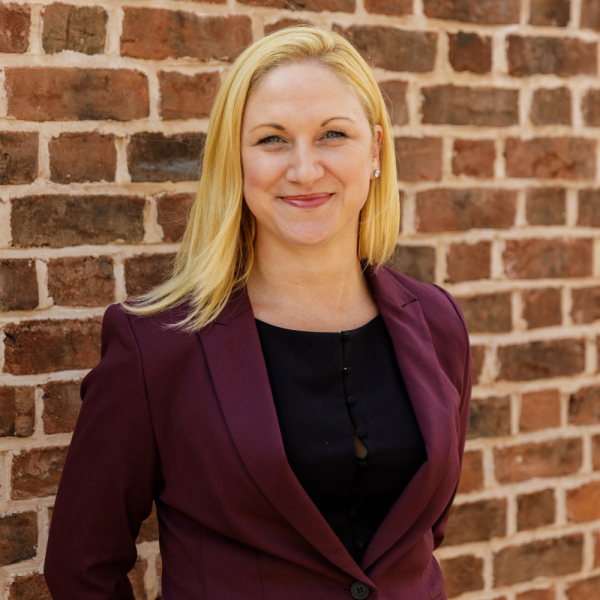
Heather Lally, Partner, Trusts & Estates, Photographed outside DTM Legal in Chester

Partner, Trusts & Estates

Heather Lally

Partner, Trusts & Estates

Heather Lally

A senior member of our Trusts and Estates team, Heather specialises in Estate administration, Estate planning, Trusts, Wills, Court of Protection and Powers of Attorney, along with advice for the elderly regarding care. Heather deals with all aspects of non-contentious private client work and has particular expertise in Statutory Will applications, applying for Limited Grants of Probate and succession planning for agricultural clients.

Request a Consultation

  • This field is for validation purposes and should be left unchanged.

Whether you need legal advice or support with a specific matter, our team is here to help. We take the time to understand your situation and provide clear, practical guidance tailored to your needs, helping you move forward with confidence.

Contact Us

What Our Clients Say

See what our customers have to say about their experience

Frequently Asked Questions

Commonly asked questions regarding Trusts & Estates planning.

It is sensible to have a Will whenever you want certainty over how your property, money and possessions should be dealt with after your death. A Will can also record matters such as who should administer your estate and, where relevant, arrangements concerning guardians for children. GOV.UK confirms that without a Will, the law determines who inherits your estate.

You should consider reviewing an existing Will following significant changes in your life or finances. These might include marriage or separation, the birth of children or grandchildren, acquiring or selling a business, receiving an inheritance or a substantial change in the value or nature of your assets.

A review does not necessarily mean the Will must be replaced. It gives you an opportunity to check that it still reflects your wishes and wider estate plan.


If you die without a valid Will, you are described as dying intestate. Your estate is then distributed according to statutory intestacy rules rather than according to instructions you have personally set out.

This can be particularly important for unmarried couples, blended families, business owners or anyone wishing to leave assets to people or organisations who may not inherit automatically under those rules.

Preparing a Will allows you to decide who should administer your estate and how you intend your assets to be distributed, subject to the applicable law and circumstances.

Knowing your wishes does not necessarily give a family member legal authority to make decisions on your behalf.

A Lasting Power of Attorney allows you to appoint chosen people as attorneys. A Property and Financial Affairs LPA can cover matters such as bank accounts, bills, investments and property, while a Health and Welfare LPA can cover matters such as medical care and where you live.

Putting LPAs in place while you have capacity can therefore provide greater clarity about who should make decisions and the authority they will have if assistance is required in the future.

Tax is an important part of estate planning, but it should be considered alongside your wider objectives rather than in isolation.

Depending on your circumstances, planning may involve reviewing your Will, lifetime gifts, trusts, property ownership, business or agricultural interests and other assets. Different exemptions, reliefs and tax rules can apply, and trusts themselves may also have tax consequences.

Our Trusts & Estates team can review your circumstances and explain the options available. Where appropriate, we can also work alongside your accountant or financial adviser so that legal and financial planning are considered together.

Not every estate requires the same level of assistance. Some executors choose to deal with relatively straightforward estates themselves, while others instruct a solicitor to obtain the Grant of Probate or manage the full administration.

The process may involve identifying and valuing assets and liabilities, establishing whether Inheritance Tax is payable, applying for the appropriate Grant, collecting assets, settling liabilities and distributing the estate to beneficiaries. A Grant may be required before certain assets can be dealt with.

Professional assistance can be particularly useful where the estate is substantial or complex, includes a business, property or trusts, has tax issues, involves overseas assets or where there is disagreement between beneficiaries or executors.